

Introduction
The heavy duty transport business is entering another important period of technical evolution. Commercial vehicle manufacturers are further developing engines to be cleaner, more fuel efficient and have longer service life while meeting ever stricter emissions legislation. Lubricants are vital for these improvements.
The next heavy duty diesel engine oil category in development is currently referred to as PC-12 by industry participants. The programme is expected to introduce the new API CL-4 and API FB-4 categories, which are being developed to support future engine technologies, emissions requirements and fuel-efficiency targets.
Details on the final specification and launch are still being ironed out, but the goal is clear: to develop engine oils that will support future engine hardware, reduce emissions and improve efficiency without sacrificing durability.
This guide explains the purpose of PC-12, why it matters and what fleets, workshops and lubricant distributors need to know before the new category hits the market.
Additional insight 1: Actual fleet operations are affected not only by specification but also by operating temperature, duty cycle, fuel quality, contamination control, filtration, maintenance practices and adherence to OEM service recommendations. Any organisations considering future PC-12 products should balance these factors with laboratory performance claims. Preliminary discussions should always be superseded by official industry information, technical documentation and OEM approvals.
Additional Insight 2: In practical fleet operations lubricant performance is dependent not only on specification but also operating temperature, duty cycle, fuel quality, contamination control, filtration, maintenance practices and adherence to OEM service recommendations. Organisations looking at future PC-12 products must consider these factors in addition to laboratory performance claims. Always consider the official information from the industry as more authoritative than the preliminary discussions as the technical documentation and OEM approvals change.
Additional insight 3: The performance of lubricants in real-world fleet operations is a function of operating temperature, duty cycle, fuel quality, contamination control, filtration, maintenance practices and adherence to OEM service recommendations in addition to the specification. These factors, along with claims made about laboratory performance, need to be evaluated by companies considering future PC-12 products. Whenever official industry information is available, technical documentation and OEM approvals shall always prevail over preliminary discussions.
Additional insight 4: In real-world fleet operations, lubricant performance is affected by not only specification, but also operating temperature, duty cycle, fuel quality, contamination control, filtration, maintenance practices and adherence to OEM service recommendations. Organisations looking at future PC-12 products should consider such factors, along with laboratory performance claims. Preliminary discussions should always be trumped by official industry information as it becomes available, as well as technical documentation and OEM approvals.
Additional insight 5: Lubricant performance in real-world fleet operations is affected not only by the lubricant specification, but also by operating temperature, duty cycle, fuel quality, contamination control, filtration, maintenance practices and adherence to OEM service recommendations. In addition to laboratory performance claims, organisations considering future PC-12 products should also take these factors into account. As official industry information changes, always consider technical documentation and OEM approvals as the primary basis for discussions, not preliminary discussions.
The Changing Specs of Heavy-Duty Engine Oil
Engine technology is evolving and with it every new lubricant specification is introduced. Modern commercial diesel engines operate at increased combustion pressures, more precise component tolerances and more sophisticated electronic controls than their predecessors.
Modern trucks use advanced emissions aftertreatment systems such as Diesel Particulate Filters (DPF), Selective Catalytic Reduction (SCR) and Exhaust Gas Recirculation (EGR). Engine oils must protect these systems and at the same time control wear, soot, oxidation, aeration and deposits.
Future regulations are likely to push engine designs further still, requiring lubricants that remain stable for longer periods of operation and that help to optimise engine efficiency.
Further insight 1: In actual fleet operations, the lubricant’s performance is influenced not only by the specification, but also the operating temperature, duty cycle, fuel quality, contamination control, filtration, maintenance practices and adherence to OEM service recommendations. Organisations looking at future PC-12 products should take these into account as well as laboratory performance claims. Always consider technical documentation and OEM approvals before initial discussions, if official industry information changes.
Additional insight 2: In real world fleet operations, lubricant performance is dependent not only on the specification, but also on operating temperature, duty cycle, fuel quality, contamination control, filtration, maintenance practices and adherence to OEM service recommendations.
When considering future PC-12 products, organisations should take these factors into account in addition to laboratory performance claims. Technical documentation and OEM approvals should always override preliminary discussions as official industry information evolves.
Additional insight 3: In the real world of fleet operations, lubricant performance is a function not only of the specification, but also the operating temperature, duty cycle, fuel quality, contamination control, filtration, maintenance practices and adherence to OEM service recommendations.
Organisations looking at future PC-12 products should consider these factors together with laboratory performance claims. Official industry information changes, so technical documentation and OEM approvals should always take precedence over preliminary discussions.
Additional Insight 4: The performance of a lubricant in a real-world fleet operation is a function of the specification, but also of the operating temperature, duty cycle, fuel quality, contamination control, filtration, maintenance practices, and adherence to OEM service recommendations.
Organisations considering future PC-12 products should consider these factors in conjunction with laboratory performance claims. Always let technical documentation and OEM approvals trump preliminary discussions as official industry information becomes available.
Additional insight 5: In real-world fleet operations, lubricant performance is not only a function of the specification, but also of operating temperature, duty cycle, quality of the fuel used, contamination control, filtration, maintenance practices and adherence to OEM service recommendations.
These factors should be balanced against laboratory performance claims made by organisations evaluating future PC-12 products. If official industry information changes, technical documentation and OEM approvals should always be considered first, before the initial discussions.
What is PC-12?
PC-12 is the new category proposed to replace today’s API CK-4 and FA-4 categories for heavy-duty diesel engine oils. Upon successful completion of the development programme, the new categories are expected to be designated as API CL-4 and API FB-4. The development is being coordinated by engine manufacturers, lubricant marketers, additive companies and testing organisations working together.
The new category will support future commercial vehicle engines that will be designed to meet future emissions and efficiency requirements. As for previous specification upgrades, the precise performance requirements are determined by extensive laboratory testing and engine sequence tests prior to market introduction.
API CL-4 is expected to be the backward-compatible successor to API CK-4, while API FB-4 is expected to succeed API FA-4 for fuel-economy-focused engine applications requiring lower HTHS viscosity oils.
Additional insight 1: In real world fleet operations, lubricant performance is affected not only by the specification, but also by the operating temperature, duty cycle, fuel quality, contamination control, filtration, maintenance practices and adherence to OEM service recommendations.
When considering future PC-12 products, organisations should take these factors into account, as well as laboratory performance claims. As industry information becomes official, technical documentation and OEM approvals should always take precedence over preliminary discussions.
Additional insight 2: In practical fleet operations, lubricant performance depends not only on the specification but also on operating temperature, duty cycle, fuel quality, contamination control, filtration, maintenance practices and adherence to OEM service recommendations.
When evaluating future PC-12 products, organisations should consider these factors in addition to laboratory performance claims. Always rely on technical documentation and OEM approvals as they are the official industry information and will supersede any preliminary discussions.
Additional insight 3: In the real world of fleet operations, lubricant performance is not only a function of the specification, but also the operating temperature, duty cycle, fuel quality, contamination control, filtration, maintenance practices and adherence to OEM service recommendations.
Future PC-12 products should be considered alongside laboratory performance claims by organisations. Preliminary discussions are superseded by technical documentation and OEM approvals, as official industry information changes.
Additional Insight 4: The performance of a lubricant in a real-world fleet operation is a function of the specification, but also of the operating temperature, duty cycle, fuel quality, contamination control, filtration, maintenance practices and adherence to OEM service recommendations.
These factors should be considered in conjunction with laboratory performance claims by organisations considering future PC-12 products. As official industry information becomes available, always defer to technical documentation and OEM approvals over preliminary discussions.
Further insight 5: In real-world fleet operations, lubricant performance is not only a function of the specification, but also of operating temperature, duty cycle, quality of the fuel used, contamination control, filtration, maintenance practices and adherence to OEM service recommendations.
These factors should be weighed against laboratory performance claims made by organisations evaluating future PC-12 products. Always consider technical documentation and OEM approvals before initial discussions, if official industry information changes.
Key Performance Objectives
The upcoming API CL-4 and API FB-4 categories are expected to incorporate performance requirements intended to support future heavy-duty engine technologies while maintaining durability and emissions-system protection.
Although the official requirements are still pending final industry approval, industry discussions indicate that PC-12 oils will focus on:
- Enhanced oxidation resistance.
- Improved viscosity retention during long-term operation.
- Additional wear protection.
- Better control of aeration.
- Improved piston cleanliness.
- Improved turbocharger protection.
- Superb compatibility with modern aftertreatment systems.
- Better sludge and deposit resistance.
- OEM approved for extended service intervals.
In addition, PC-12 oils, including the future API CL-4 and API FB-4 categories, are expected to feature lower SAPS (Sulphated Ash, Phosphorus and Sulphur) levels compared with the previous PC-11 categories (API CK-4 and API FA-4), helping support future emissions-control systems and evolving engine technologies.
Additional Insight 1: In real-world fleet operations, lubricant performance is a function not only of the specification, but also of the operating temperature, duty cycle, fuel quality, contamination control, filtration, maintenance practices and adherence to OEM service recommendations.
When considering future PC-12 products, organisations should take these factors into account, as well as laboratory performance claims. As industry information becomes official, technical documentation and OEM approvals should always take precedence over preliminary discussions.
Additional insight 2: In real fleet operation, lubricant performance is not just a specification issue, but also operating temperature, duty cycle, fuel quality, contamination control, filtration, maintenance practices and OEM service recommendations.
When evaluating future PC-12 products, organisations should consider these factors in addition to laboratory performance claims. Always rely on technical documentation and OEM approvals as they are the official industry information and will supersede any preliminary discussions.
Additional insight 3: In the real world of fleet operations, lubricant performance is not only a function of the specification, but also the operating temperature, duty cycle, fuel quality, contamination control, filtration, maintenance practices and adherence to OEM service recommendations.
Future PC-12 products should be considered alongside laboratory performance claims by organisations. Preliminary discussions are superseded by technical documentation and OEM approvals, as official industry information changes.
Additional Insight 4: The performance of a lubricant in a real-world fleet operation is a function of the specification, but also of the operating temperature, duty cycle, fuel quality, contamination control, filtration, maintenance practices and adherence to OEM service recommendations.
These factors should be considered in conjunction with laboratory performance claims by organisations considering future PC-12 products. As official industry information becomes available, always defer to technical documentation and OEM approvals over preliminary discussions.
Further insight 5: In real-world fleet operations, lubricant performance is not only a function of the specification, but also of operating temperature, duty cycle, quality of the fuel used, contamination control, filtration, maintenance practices and adherence to OEM service recommendations.
These factors should be weighed against laboratory performance claims made by organisations evaluating future PC-12 products. Always consider technical documentation and OEM approvals before initial discussions, if official industry information changes.
Relationship with Existing Specifications
API CK-4 continues to be the primary specification for many heavy-duty diesel engines in service today, while FA-4 introduced lower High Temperature High Shear (HTHS) viscosity options for select engines designed to improve fuel economy.
Rather than replacing them overnight, the future API CL-4 and API FB-4 categories are expected to draw on the strengths of both API CK-4 and API FA-4 while introducing additional performance requirements for next-generation engines. Existing vehicles will continue to be used to the specification recommended by their manufacturer. Therefore, fleet operators should not assume that every engine is capable of transitioning to future lubricant categories automatically.
Additional insight 1: In practical fleet operations, lubricant performance is more than specification, but also operating temperature, duty cycle, fuel quality, contamination control, filtration, maintenance practices and compliance with OEM service recommendations.
When considering future PC-12 products, organisations should take these factors into account, as well as laboratory performance claims. As industry information becomes official, technical documentation and OEM approvals should always take precedence over preliminary discussions.
Additional insight 2: In real fleet operation, lubricant performance is not just a specification issue, but also operating temperature, duty cycle, fuel quality, contamination control, filtration, maintenance practices and OEM service recommendations.
These factors should be considered against laboratory performance claims by organisations considering future PC-12 products. Always consider the official information from the industry as more authoritative than the preliminary discussions as the technical documentation and OEM approvals change.
Additional insight 3: The performance of lubricants in real-world fleet operations is a function of operating temperature, duty cycle, fuel quality, contamination control, filtration, maintenance practices and adherence to OEM service recommendations in addition to the specification. These factors, along with claims made about laboratory performance, need to be evaluated by companies considering future PC-12 products. Whenever official industry information is available, technical documentation and OEM approvals shall always prevail over preliminary discussions.
Additional insight 4: In real-world fleet operations, lubricant performance is affected by not only specification, but also operating temperature, duty cycle, fuel quality, contamination control, filtration, maintenance practices and adherence to OEM service recommendations. Organisations looking at future PC-12 products should consider such factors, along with laboratory performance claims. Preliminary discussions should always be trumped by official industry information as it becomes available, as well as technical documentation and OEM approvals.
Additional insight 5: Lubricant performance in real-world fleet operations is affected not only by the lubricant specification, but also by operating temperature, duty cycle, fuel quality, contamination control, filtration, maintenance practices and adherence to OEM service recommendations. These factors need to be considered by organisations looking at future PC-12 products, in addition to laboratory performance claims. Always consider technical documentation and OEM approvals before initial discussions, if official industry information changes.
PC-12A and PC-12B
Current industry discussions generally associate the future API CL-4 category with the backward-compatible PC-12A pathway, providing continuity for applications currently using API CK-4 oils. API FB-4 is expected to align with the lower-viscosity PC-12B pathway, serving as the successor to API FA-4 for appropriately designed engines focused on fuel efficiency.
The final names, viscosity grades and approval criteria will only be confirmed once the specification is officially released. Never make assumptions, always follow the OEM recommendations.
Further Insight 1: The real world performance of lubricants in fleet operations is influenced not only by the lubricant specification, but also by the operating temperature, duty cycle, fuel quality, contamination control, filtration, maintenance practices and adherence to OEM service recommendations.
When considering future PC-12 products, organisations should take these factors into account, as well as laboratory performance claims. As industry information becomes official, technical documentation and OEM approvals should always take precedence over preliminary discussions.
Additional insight 2: In real fleet operation, lubricant performance is not just a specification issue, but also operating temperature, duty cycle, fuel quality, contamination control, filtration, maintenance practices and OEM service recommendations.
When evaluating future PC-12 products, organisations should consider these factors in addition to laboratory performance claims. Always rely on technical documentation and OEM approvals as they are the official industry information and will supersede any preliminary discussions.
Additional insight 3: In the real world of fleet operations, lubricant performance is not only a function of the specification, but also the operating temperature, duty cycle, fuel quality, contamination control, filtration, maintenance practices and adherence to OEM service recommendations.
Future PC-12 products should be considered alongside laboratory performance claims by organisations. Preliminary discussions are superseded by technical documentation and OEM approvals, as official industry information changes.
Additional Insight 4: The performance of a lubricant in a real-world fleet operation is a function of the specification, but also of the operating temperature, duty cycle, fuel quality, contamination control, filtration, maintenance practices and adherence to OEM service recommendations.
These factors should be considered in conjunction with laboratory performance claims by organisations considering future PC-12 products. As official industry information becomes available, always defer to technical documentation and OEM approvals over preliminary discussions.
Further insight 5: In real-world fleet operations, lubricant performance is not only a function of the specification, but also of operating temperature, duty cycle, quality of the fuel used, contamination control, filtration, maintenance practices and adherence to OEM service recommendations.
These factors should be weighed against laboratory performance claims made by organisations evaluating future PC-12 products. Always consider technical documentation and OEM approvals before initial discussions, if official industry information changes.
Benefits for Fleet Operators
If adopted as expected, PC-12 could offer many operational advantages including longer lubricant life, reduced oxidation in severe service, cleaner engine interiors, lower maintenance costs through better component protection and support for advanced low-emission engine technologies. These benefits are expected to be reflected in future API CL-4 and API FB-4 licensed products once the categories become commercially available.
Combined with proper maintenance practices, these improvements can result in more uptime for fleets running long-haul transport, construction equipment or mixed-duty commercial vehicles.
Further insight 1: The actual operation of a fleet is influenced by more than just the lubricant specification. Lubricant performance is affected by operating temperature, duty cycle, fuel quality, contamination control, filtration, maintenance practices and compliance with OEM service recommendations.
When considering future PC-12 products, organisations should take these factors into account, as well as laboratory performance claims. As industry information becomes official, technical documentation and OEM approvals should always take precedence over preliminary discussions.
Additional insight 2: In real fleet operation, lubricant performance is not just a specification issue, but also operating temperature, duty cycle, fuel quality, contamination control, filtration, maintenance practices and OEM service recommendations.
When evaluating future PC-12 products, organisations should consider these factors in addition to laboratory performance claims. Always rely on technical documentation and OEM approvals as they are the official industry information and will supersede any preliminary discussions.
Additional insight 3: In the real world of fleet operations, lubricant performance is not only a function of the specification, but also the operating temperature, duty cycle, fuel quality, contamination control, filtration, maintenance practices and adherence to OEM service recommendations.
Future PC-12 products should be considered alongside laboratory performance claims by organisations. Preliminary discussions are superseded by technical documentation and OEM approvals, as official industry information changes.
Additional Insight 4: The performance of a lubricant in a real-world fleet operation is a function of the specification, but also of the operating temperature, duty cycle, fuel quality, contamination control, filtration, maintenance practices and adherence to OEM service recommendations.
These factors should be considered in conjunction with laboratory performance claims by organisations considering future PC-12 products. As official industry information becomes available, always defer to technical documentation and OEM approvals over preliminary discussions.
Further insight 5: In real-world fleet operations, lubricant performance is not only a function of the specification, but also of operating temperature, duty cycle, quality of the fuel used, contamination control, filtration, maintenance practices and adherence to OEM service recommendations.
These factors should be weighed against laboratory performance claims made by organisations evaluating future PC-12 products. Always consider technical documentation and OEM approvals before initial discussions, if official industry information changes.
Preparing Your Business
Fleet managers should start evaluating lubricant inventory, maintenance practices and technician training long before new specifications become mainstream. Workshops need to know what engines need new lubricants and which are good with existing specs.
Distributors need to develop inventory strategies based on customer equipment profiles and avoid replacing existing products prematurely.
Additional insight 1: In practice, the performance of lubricants in fleet operations is affected not only by the specification, but also by the operating temperature, duty cycle, fuel quality, contamination control, filtration, maintenance practices and OEM service recommendations compliance.
When considering future PC-12 products, organisations should take these factors into account, as well as laboratory performance claims. As industry information becomes official, technical documentation and OEM approvals should always take precedence over preliminary discussions.
Additional insight 2: In real fleet operation, lubricant performance is not just a specification issue, but also operating temperature, duty cycle, fuel quality, contamination control, filtration, maintenance practices and OEM service recommendations.
When evaluating future PC-12 products, organisations should consider these factors in addition to laboratory performance claims. Always rely on technical documentation and OEM approvals as they are the official industry information and will supersede any preliminary discussions.
Additional insight 3: In the real world of fleet operations, lubricant performance is not only a function of the specification, but also the operating temperature, duty cycle, fuel quality, contamination control, filtration, maintenance practices and adherence to OEM service recommendations.
Future PC-12 products should be considered alongside laboratory performance claims by organisations. Preliminary discussions are superseded by technical documentation and OEM approvals, as official industry information changes.
Additional Insight 4: The performance of a lubricant in a real-world fleet operation is a function of the specification, but also of the operating temperature, duty cycle, fuel quality, contamination control, filtration, maintenance practices and adherence to OEM service recommendations.
These factors should be considered in conjunction with laboratory performance claims by organisations considering future PC-12 products. As official industry information becomes available, always defer to technical documentation and OEM approvals over preliminary discussions.
Further insight 5: In real-world fleet operations, lubricant performance is not only a function of the specification, but also of operating temperature, duty cycle, quality of the fuel used, contamination control, filtration, maintenance practices and adherence to OEM service recommendations.
These factors should be weighed against laboratory performance claims made by organisations evaluating future PC-12 products. Always consider technical documentation and OEM approvals before initial discussions, if official industry information changes.
BENZOL Perspective
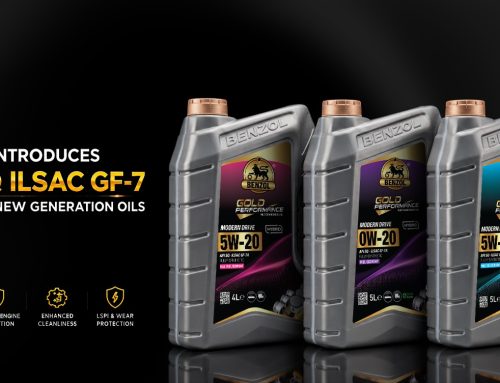
BENZOL closely monitors developments in global lubricant specifications, OEM demands and global industry trends. Product development is targeted at offering formulations that meet recognised industry standards while supporting engine reliability, efficiency and long term protection.
As the final industry requirements are met, BENZOL will seek opportunities to introduce appropriate heavy-duty engine oils meeting the future API CL-4 and API FB-4 categories as official specifications, approvals and licensing requirements become available.
Additional insight 1: In the real world of fleet operations, lubricant performance is influenced by more than just the specification – operating temperature, duty cycle, fuel quality, contamination control, filtration, maintenance practices and compliance with OEM service recommendations all play a role.
When considering future PC-12 products, organisations should take these factors into account, as well as laboratory performance claims. OEM approvals and technical documentation should always be considered as the official industry information as it evolves and not preliminary discussions.
Additional insight 2. In the real world of fleet operation, lubricant performance is not only a function of the specification, but also of operating temperature, duty cycle, fuel quality, contamination control, filtration, maintenance practices and adherence to OEM service recommendations.
Organisations should consider these factors, alongside laboratory performance claims, when considering future PC-12 products. Always rely on technical documentation and OEM approvals as they are the official industry information and will supersede any preliminary discussions.
Additional insight 3: In the real world of fleet operations, lubricant performance is not only a function of the specification, but also the operating temperature, duty cycle, fuel quality, contamination control, filtration, maintenance practices and adherence to OEM service recommendations.
Future PC-12 products should be considered alongside laboratory performance claims by organisations. Preliminary discussions are superseded by technical documentation and OEM approvals, as official industry information changes.
Additional Insight 4: The performance of a lubricant in a real-world fleet operation is a function of the specification, but also of the operating temperature, duty cycle, fuel quality, contamination control, filtration, maintenance practices and adherence to OEM service recommendations.
These factors should be considered in conjunction with laboratory performance claims by organisations considering future PC-12 products. As official industry information becomes available, always defer to technical documentation and OEM approvals over preliminary discussions.
Further insight 5: In real-world fleet operations, lubricant performance is not only a function of the specification, but also of operating temperature, duty cycle, quality of the fuel used, contamination control, filtration, maintenance practices and adherence to OEM service recommendations.
These factors should be weighed against laboratory performance claims made by organisations evaluating future PC-12 products. Always consider technical documentation and OEM approvals before initial discussions, if official industry information changes.
Frequently Asked Questions
What is API CL-4 and API FB-4?
API CL-4 and API FB-4 are the anticipated heavy-duty diesel engine oil categories being developed under the PC-12 programme. They are expected to succeed API CK-4 and API FA-4 while supporting future engine designs, emissions-system durability and fuel-efficiency requirements.
Is there a direct replacement to CK-4 with the PC-12?
No. Based on vehicle age and OEM recommendations existing specifications will remain relevant for many years to come.
Will all diesel engines require PC-12?
No. Always follow the engine manufacturer’s lubricant specification.
Will PC-12 extend oil drain intervals?
Drain intervals are set by the vehicle manufacturer and operating conditions. Newer specification does not automatically extend service intervals.
Is PC-12 safe for older engines?
Only where the OEM specifically allows compatibility.
Should fleets be changed immediately after launch?
Fleet transitions should be planned carefully, with reference to OEM guidance and maintenance programmes.
Conclusion
With the PC-12, we are taking another step in the constant development of heavy-duty engine lubricants. Although the specification is still being developed in industry, it shows the increasing demands on commercial vehicle engines and their lubricants.
Fleet operators, maintenance professionals, distributors and equipment owners can prepare effectively by being aware of these changes early. As is customary the lubricant chosen should be based on official OEM recommendations recognised industry specifications and application requirements and not simply marketing claims.
BENZOL keeps an eye on the global technical developments and supplies lubricant solutions designed for the evolving needs of modern commercial vehicles.