
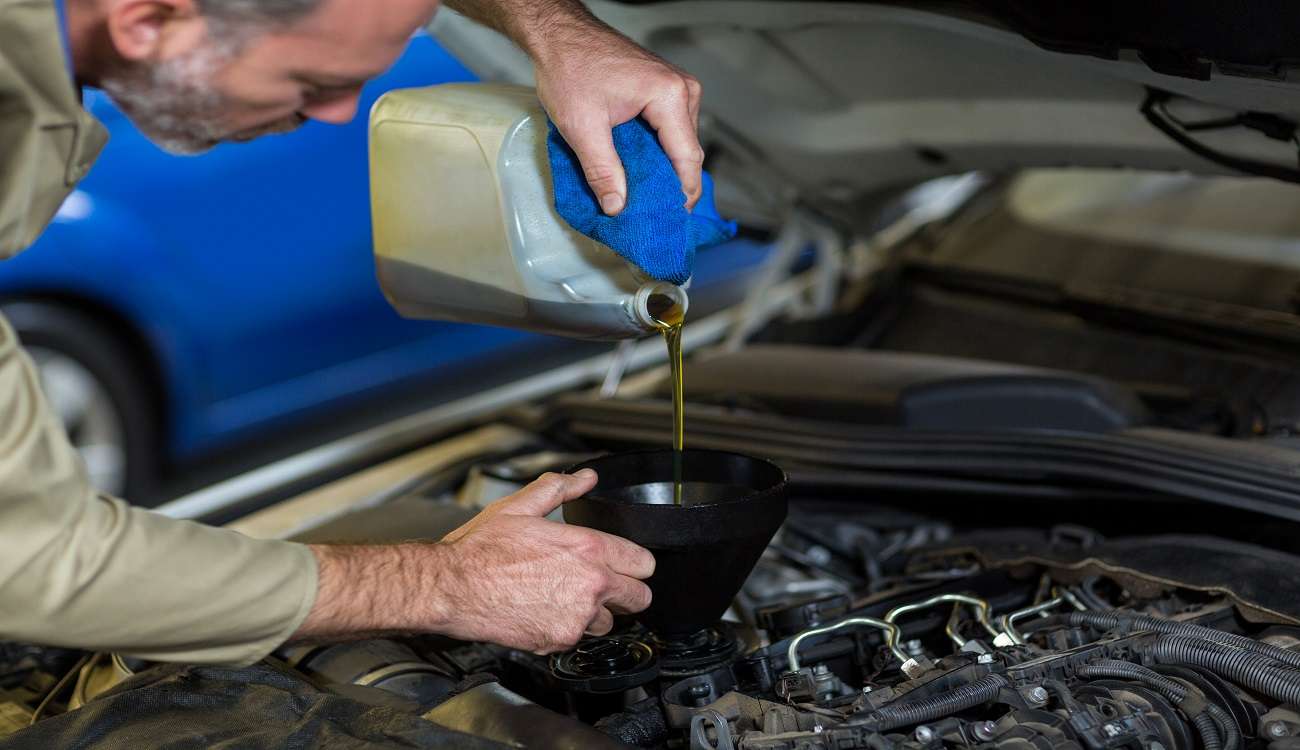
Introduction: Why Oil Change Intervals Matter
Motor oil is one of the most important fluids in any car. It lubricates moving parts, reduces friction, helps control heat, keeps internal engine surfaces clean, protects against corrosion and promotes reliable engine performance. When the right fresh oil is specified, it will form a film that protects the metal surfaces under high speed and high pressure conditions. But when oil is neglected, contaminated or used beyond its intended service life, that protective film can be compromised and the engine may suffer increased wear, deposits, overheating, reduced efficiency and premature component failure.
How often you should change your engine oil is a question drivers often ask. But the answer is not the same for every vehicle. A small petrol car driven mainly on highways, a turbocharged SUV in city traffic, a delivery van idling for hours, a diesel pickup used for towing and a bike in hot weather all have different demands on engine oil. This is why a fixed answer such as every 5,000 km or every 10,000 km can be deceptive.
The most reliable starting point is always the manufacturer of the vehicle. The owner manual or service schedule will tell you the correct oil viscosity, performance specification and maintenance interval. From here on real world operating conditions must be considered. If the vehicle is used in severe service, the oil may need to be changed more frequently than the normal interval.
The point is not to change oil as late as possible. The goal is to protect the engine at the right price, with the right lubricant, at the right time.
In this guide we will talk about what influences the lifespan of engine oil, the difference between normal and severe driving, how synthetic oil functions, signs that the oil may need to be changed and how BENZOL’s Oil Advisor can help users make the right choice of lubricant for their vehicle.
The Simple Answer: Use the Manufacturer Settings, Then Fine-Tune for Real-World Driving
The best oil change interval is that recommended by the vehicle manufacturer for your particular model, engine and operating conditions. The main reference should be the manufacturer’s recommendation as they test their engines with particular lubricant specifications and service intervals. This is especially important for modern engines with turbocharging, direct injection, emission control systems, variable valve timing and close tolerances.
But manufacturers’ schedules often draw a line between normal service and severe service. Normal service usually involves regular driving, with the engine getting to full operating temperature, not too much stop-start traffic, moderate loads and clean operating environments. Severe service is defined as frequent short trips, heavy traffic, high ambient temperatures, dust, towing, heavy loads, mountainous driving, prolonged idling, cold (repeated) starts and commercial use. Many vehicles used in cities or hot climates are actually operating closer to severe service than owners realise.
A practical way is to take the upper limit as the interval stated by the manufacturer and cut it down if the vehicle is driven under demanding conditions. For example, a car that is driven long distances on open roads may be comfortable following the standard schedule, but the same engine used for short urban trips may need more frequent service as fuel dilution, moisture and contaminants can build up faster.
| Situation | Recommended Approach |
| Owner manual gives a normal and severe service interval | Use the severe service interval if the vehicle regularly faces heat, dust, towing, idling, traffic or short trips. |
| Vehicle has an oil life monitor | Follow the system, but still check oil level and condition regularly. Reset only after service. |
| No reliable service history | Change oil and filter, then begin a documented maintenance schedule. |
| Used vehicle recently purchased | Carry out a baseline oil and filter change unless there is verified recent service documentation. |
| Commercial or fleet vehicle | Base intervals on OEM guidance, duty cycle, oil analysis where applicable and workshop records. |
What Engine Oil Really Does Inside the Engine
Engine oil is often called a lubricant, but that’s only part of the picture. It forms a film between moving surfaces like bearings, pistons, cylinder walls, camshafts and valve train components. This film reduces metal to metal contact and helps to prevent wear. Oil also removes heat from critical areas that may not be directly cooled by the cooling system.
Another important function is cleanliness. Detergent and dispersant type additives help to keep contaminants suspended so that they can be removed during oil changes, rather than forming sludge or varnish. Anti-wear additives provide further protection in high load conditions. Antioxidants are substances that inhibit the chemical breakdown of oil when heated. Anti-foam additives minimise air entrainment for better, more consistent lubrication. Corrosion inhibitors protect metal surfaces from acid and moisture.
These additives are slowly used up as oil ages. Oxidation, thickening, shear, or contamination of the base oil itself may occur. That’s why engine oil can’t be judged by its looks alone. Dark oil is not always failed oil, especially in diesel engines where soot will quickly darken oil.
At the same time, attractive oil could still have degraded additives or contaminants. But regular service intervals do count.
| Oil Function | Why It Matters |
| Lubrication | Reduces friction and wear between moving engine parts. |
| Cooling support | Carries heat away from pistons, bearings, turbochargers and other high-temperature areas. |
| Cleaning | Helps suspend deposits, soot and contaminants until the oil is drained. |
| Corrosion protection | Helps protect metal parts from acids and moisture. |
| Sealing support | Helps piston rings seal combustion pressure more effectively. |
| Hydraulic operation | Supports systems such as hydraulic lifters, variable valve timing and chain tensioners where applicable. |
Why Engine Oil Breaks Down Over Time
Engine oil is subjected to heat, oxygen, combustion gases, fuel, soot, moisture and mechanical stress. Over time, these factors degrade the oil’s ability to protect the engine. Oxidation is one of the main causes of oil degradation. At high temperatures, oil can react with oxygen and thicken, forming deposits. This can influence oil flow, fuel economy and engine cleanliness.
Fuel dilution can result if unburned fuel enters the crankcase. This can occur on short frequent trips, multiple cold starts, rich operating conditions or certain engine operating strategies. Fuel dilution can reduce the viscosity of the oil and break down the protective film. Another problem is moisture, especially if the engine does not run long enough to reach full operating temperature and evaporate condensation. So short city trips might be harder on oil than long distance highway driving.
| Cause of Oil Degradation | Effect on Engine Oil |
| Heat and oxidation | Can thicken oil and contribute to varnish, sludge and deposits. |
| Fuel dilution | Can reduce viscosity and weaken oil film strength. |
| Soot and combustion by-products | Can increase contamination and affect wear control if excessive. |
| Moisture | Can contribute to corrosion and sludge formation. |
| Shear stress | Can reduce viscosity in oils not designed for the application. |
| Dust or dirt contamination | Can increase abrasive wear if filtration is poor. |
Soot and contaminants are also important, particularly in diesel engines. Modern oils are designed to combat soot, but excessive soot loading can impact viscosity and wear protection. Oil life can be even further shortened by dust ingestion, inadequate filtration, coolant leaks, or dirty air filters. In turbocharged engines, high temperatures around the turbocharger can accelerate oxidation and deposit formation if the right oil is not used.
The Difference between Severe Service and Normal Service
Many drivers believe severe service only means racing, heavy towing or extreme off-road use. In fact, severe service often includes normal driving conditions.
Engine oil is put to the test by short, frequent trips, stop-start traffic, dusty roads, high temperatures and long periods of idling. A car that is used mostly for school runs, city deliveries or urban commuting may require oil changes more often than a car that does a lot of highway miles.
Short trips are particularly problematic because the engine may not remain hot enough to vaporise moisture and fuel contamination. Stop-and-go traffic increases your engine oil operating time without adding much to your mileage. So your engine oil is working hard, even if your odometer isn’t showing high mileage. Oil oxidation stability is particularly critical in hot climates and in situations where vehicles are idled with air conditioning.
That’s why oil life is not measured in miles alone. Time, engine hours, temperature, load and operating environment are also considered. Fleets often track engine hours as well as kilometres because some commercial vehicles sit idling or running at low speed for long periods.
| Normal Service | Severe Service |
| Regular longer trips where the engine reaches full operating temperature | Frequent short trips where the engine does not stay hot for long |
| Moderate climate and clean roads | High heat, dusty roads, sand or construction environments |
| Limited idling and smooth driving | Prolonged idling, stop-start traffic or delivery routes |
| Light to moderate loads | Towing, heavy loads or mountainous driving |
| Consistent maintenance history | Unknown history, irregular service or mixed lubricant use |
How long is synthetic oil good for?
Synthetic engine oils typically provide better high temperature stability, oxidation resistance, low temperature flow, and deposit control compared to conventional mineral oils. This is why many modern cars call for synthetic or fully synthetic oils. In the right applications synthetics can allow longer drain intervals than mineral oils – but only if those intervals are approved by the vehicle manufacturer.
Don’t assume that the phrase ‘synthetic oil lasts longer’ means you can ignore service schedules. Contamination, operating conditions, fuel dilution and additive depletion still affect oil life. Premium full synthetic oil used in severe city service may need to be changed sooner than the same oil used mostly in highway driving.
For example, a high performance turbocharged engine may require very different oil than an older naturally aspirated engine.
The proper question is not just whether the oil is synthetic. The right question is whether the oil meets the required viscosity grade, API or ACEA specification and any OEM approval required by the manufacturer. Even if it is a high quality synthetic oil it may not be suitable if it does not meet the specified requirement.
| Oil Type | General Characteristics | Important Note |
| Mineral oil | Traditional base oil, suitable for applications where specified. | Usually requires more frequent service than modern synthetic oils. |
| Semi-synthetic oil | Blend designed to offer improved performance over basic mineral oil. | Must still meet the required specification. |
| Full synthetic oil | Higher stability, better cold flow and stronger resistance to oxidation. | Longer intervals only where approved by OEM guidance. |
| Low-viscosity synthetic oils | Designed for modern engines requiring fuel efficiency and fast flow. | Should not be used unless the vehicle specifies that viscosity and standard. |
Mileage, Time or Engine Hours: Which Is Most Important?
The times between oil changes are often given in kilometres or miles, but time is also important. Even a low-mileage vehicle may require an oil change if the oil has been in service for a long time. Even low annual mileage can lead to moisture, oxidation and short trip contamination.
Many manufacturers therefore recommend either time or distance, whichever comes first.
For private cars, the yardstick is usually months and distance. Engine hours and operating conditions can be just as important for commercial vehicles. Delivery vans can rack up a lot of engine hours for relatively few miles as they idle, creep in traffic or make repeated stops. The maintenance plan for a generator, construction machine or fleet truck may be based on duty cycle instead of mileage.
The best way is to keep good service records. Please note the date, odometer reading, oil grade, spec, brand, filter change and workshop details. This helps owners to avoid missed services and provides workshops with better information when diagnosing problems.
| Measurement | Best Used For | Limitation |
| Kilometres or miles | Most passenger cars and light vehicles. | Does not fully reflect idling or severe service. |
| Time in months | Low-mileage vehicles and vehicles stored for periods. | Does not reflect heavy usage intensity. |
| Engine hours | Commercial vehicles, fleets, off-road machines and equipment. | Requires tracking systems or hour meters. |
| Oil analysis | High-value fleets and extended drain programmes. | Requires sampling discipline and expert interpretation. |
Signs That Engine Oil Might Need Attention
A scheduled oil change should not be based solely on visible symptoms. Oil degradation is often not visible until wear or deposits are already established. But there are signs not to be overlooked. If there is an oil pressure warning light, oil level warning, strange engine noise, burning smell, excessive oil consumption or unusual exhaust smoke, the cause should be investigated immediately.
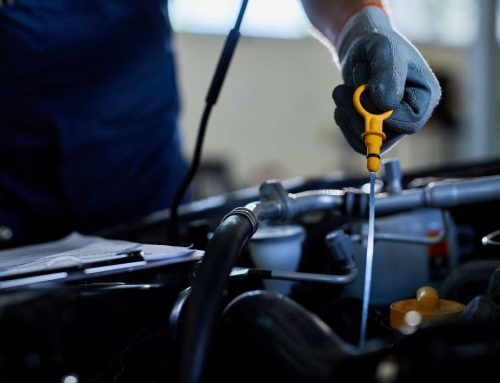
It’s still a good habit to check the dipstick. Old oil may be less dangerous than a low oil level, because a low oil level can lead to rapid engine damage. The vehicle might be leaking oil or consuming it if the oil level is frequently falling. Milky oil can indicate coolant or moisture contamination. Fuel dilution may exist if there is a strong fuel smell in the oil. These symptoms need a professional inspection.
You can’t just look at the colour of engine oil and judge oil life. Some oils darken quickly because they are cleaning the engine and holding contaminants in suspension. Soot can make diesel oil dark shortly after service. In contrast, oil that appears relatively clean may be chemically degraded. Visible signs should serve as a warning only and not as the only maintenance method.
| Warning Sign | Possible Meaning | Recommended Action |
| Oil pressure warning light | Low pressure or serious lubrication issue. | Stop safely and follow vehicle manufacturer guidance. |
| Low oil level | Oil consumption, leak or missed checks. | Top up with correct oil and inspect for cause. |
| Milky appearance | Possible coolant contamination or moisture. | Seek workshop diagnosis. |
| Strong fuel smell | Possible fuel dilution. | Inspect engine operation and service condition. |
| Increased engine noise | Possible low level, wrong oil or wear. | Check oil level and consult workshop. |
| Oil change reminder | Service interval reached according to vehicle system. | Schedule oil and filter service. |
Do you have to change the oil filter every time?
For most conventional oil services, the oil filter should be changed with the oil. The filter traps contaminants and helps keep the oil clean as it circulates. But if you put in fresh oil without changing the filter, the service benefit is diminished because the system still contains trapped contaminants and degraded oil.
You also need a good-quality oil filter. Filters must provide correct flow, filtration efficiency, bypass valve operation and fitment. A bad or improper filter can restrict flow, leak or fail to protect the engine properly. Workshops should always match the filter to the vehicle application and follow correct installation procedures including gasket inspection and torque guidance where applicable.
Filter strategy should be part of the fleet maintenance plan. Extended drain intervals should not be attempted without consideration being given to filter capacity, operating conditions and OEM guidance. Where oil analysis programmes exist, filter condition and contamination trends should be examined concurrently.
How to Choose the Right Engine Oil Viscosity, Specification and Approval
Selecting the proper oil is not simply a matter of brand or viscosity.
The oil must meet the viscosity grade and performance specification required by the vehicle manufacturer.
Oil viscosity grades such as 0W-20, 5W-30, 5W-40, 10W-40 or 15W-40 tell you about the flow characteristics of the oil at low and high temperatures, but do not by themselves tell you whether the oil is suitable for a particular engine.
Performance specifications like API, ACEA and OEM approvals define the performance level the oil is designed to meet. Modern petrol engines, depending on model and market, may require API SP or API SQ type performance. Many European cars require certain ACEA categories or manufacturer approvals. Heavy-duty diesel engines may be rated to a specification such as CK-4 or to an OEM-specific standard. Using oil that does not meet the proper specification can affect wear protection, emissions system compatibility, fuel economy and warranty compliance.
Use a trusted oil advisor tool to make it easy for customers to avoid confusion. The BENZOL Oil Advisor lets users search for suitable lubricant options based on their vehicle’s details. Workshops and distributors should also train their staff to read specifications correctly and not to recommend oil based on viscosity alone.
| Selection Factor | What It Means | Why It Matters |
| Viscosity grade | Example: 5W-30 or 10W-40. | Determines flow behaviour at cold start and operating temperature. |
| API specification | Performance category for petrol or diesel engine oils. | Helps match oil to engine performance needs. |
| ACEA specification | European performance classification. | Important for many European vehicles and emissions systems. |
| OEM approval | Specific approval from vehicle manufacturer where applicable. | May be essential for warranty and exact engine requirements. |
| Oil type | Mineral, semi-synthetic or full synthetic. | Affects stability, temperature performance and durability. |
| Application | Passenger car, commercial vehicle, motorcycle, marine or industrial. | Different applications require different lubricant chemistry. |
Debunking Oil Change Myths
Myth 1: Black oil is always bad oil. Not always. Detergents and dispersants are doing their job, so oil may darken. Colour alone does not prove oil life.
Myth 2: You never have to change synthetic oil. No. Synthetic oils degrade and become contaminated, too. They should be replaced at the proper service interval.
Myth 3: Any 5W-30 oil can be used in any engine requiring 5W-30. False. The oil must also meet the correct performance specification and be approved by the OEM if required.
Myth 4: If you don’t drive much, you don’t need to change the oil. Nope. Time, moisture and short-trip contamination still have an effect, regardless of mileage.
Myth 5: Changing oil often can fix mechanical problems. Not all the time. Oil changes keep things running, but if you have a leak, overheating, fuel dilution or worn parts you will need a diagnosis.
Vehicle Type Suggestions
Different engines require different engine oils. Passenger cars are used for commuting, highway driving or family use. SUVs often face higher loads, hot climates and mixed driving conditions. Diesel pickups can tow trailers or carry cargo. Commercial vehicles can operate for long hours every day. Motorcycles may also share gearbox and engine oil, and may require motorcycle-specific specifications.
For passenger cars, follow the owner’s manual and use the recommended viscosity and specification. Correct specification is especially important for turbocharged petrol engines, since turbochargers operate at high temperature and modern direct-injection engines can be sensitive to deposit control and low-speed pre-ignition protection. For diesel vehicles with DPF systems, oils with appropriate aftertreatment compatibility may be needed.
For commercial fleets, maintenance planning should be based on vehicle duty cycle, type of route, load and climate, engine hours and oil analysis where applicable. Fleet operators should not mix different oils without technical approval, and should have clear workshop procedures for top-ups, storage and dispensing.
| Vehicle / Application | Oil Change Consideration |
| Passenger cars | Follow owner manual; consider severe service for traffic, heat and short trips. |
| SUVs and 4x4s | Consider load, heat, off-road dust and towing. |
| Diesel pickups | Pay attention to soot, towing, turbocharger protection and emissions systems. |
| Commercial vans | Consider idling, delivery routes, frequent starts and engine hours. |
| Heavy-duty trucks | Use OEM-approved intervals, correct diesel specification and fleet maintenance records. |
| Motorcycles | Use motorcycle-specific oil where required, especially for wet clutch compatibility. |
Oil Change Checklist for Drivers and Workshops
- Before service check the correct oil viscosity and specification.
- Use a lubricant approved by the vehicle manufacturer.
- Change the oil filter as part of routine oil service unless the service procedure calls for a
different approach.
- Look around the drain plug, filter housing and gasket areas for leaks.
- Do not underfill or overfill. Fill to the proper level.
- Do not reset the oil life monitor until after you have performed the service.
- Make a note of the date, odometer, oil grade, specification and filter used.
- Severe service may require shorter intervals. Advise the customer.
- Used oil and filters should be disposed of in accordance with local regulations.
How BENZOL Helps the Customer Select the Correct Oil
BENZOL has a wide range of lubricants for passenger cars, commercial vehicles, motorcycles, industrial equipment and special applications. Matching the product to the application is the key to lubricant selection. The best protection is only obtained when the premium oil is correct for the engine and service conditions.
The BENZOL Oil Advisor will help you choose the right product. Instead of guessing, users can search by vehicle details and get the right BENZOL recommendations. This increases the confidence of drivers, workshops and distributors and helps to reduce the wrong use of oil.
This blog should contain calls to action for website conversion to lead the reader to the Oil Advisor, relevant pages for passenger car engine oils, heavy duty diesel engine oils, and distributor inquiry forms. The article should not only inform, but also guide the user towards product selection and enquiry.
| Recommended Internal Link | Purpose |
| BENZOL Oil Advisor | Helps users find the correct oil for their vehicle. |
| Passenger Car Engine Oils | Connects general drivers to relevant product category. |
| Heavy-Duty Diesel Engine Oils | Supports fleet and commercial vehicle users. |
| API SQ Guide | Links modern petrol engine oil education. |
| Viscosity Guide | Explains 0W-20, 5W-30, 5W-40 and other grades. |
| Contact / Distributor Inquiry | Converts workshop, retail and distributor traffic into leads. |
FAQs :-
How often do you need to change your engine oil?
Follow the recommendation of your vehicle manufacturer for your vehicle, and shorten the interval if it is used in severe service conditions such as heavy traffic, short trips, towing, dust, heat or prolonged idling.
Can you change the engine oil too soon?
Yes, changing the oil earlier than necessary is generally not harmful to the engine, although it can increase maintenance costs and waste oil unnecessarily.
Can I go longer between oil changes if I use synthetic oil?
Only if allowed by the vehicle manufacturer. Synthetic oil might be more durable, but the interval still needs to be in line with OEM recommendations and driving conditions.
Should I change oil by time or mileage?
If the service schedule calls for both, use the first of the two. Low-mileage vehicles may still require oil changes because of time, moisture and short-trip contamination.
Is dark oil bad?
Not always. Oil turns black when it suspends contaminants. Colour is not a reliable measure of oil life.
What happens if I wait to change my oil?
Over time, missed oil changes can lead to increased oxidation, sludge, wear, deposits, decreased efficiency and risk of engine damage.
Is the oil change interval different for diesel engines?
In diesel engines, soot, load and emissions systems can all place different demands on the oil. Follow OEM recommendations for diesel.
Do hybrids require oil changes?
Yes. Hybrid engines still need oil, and time in service still counts, even if the engine behaves differently than a conventional vehicle.
Do you change the oil filter every time?
Yes, in most routine services. A new filter helps keep the circulating oil clean and helps you get the most out of the oil change.
Can I combine two different oils?
Do not mix, except for emergency topping up. Make sure any oil used is of the required specification. At the next service, use the recommended oil.
What is considered severe duty?
Severe service conditions include frequent short trips, stop-and-go traffic, high heat, dusty roads, towing, heavy loads, mountain routes and long periods of idling.
How do I find the right BENZOL oil?
Use the BENZOL Oil Advisor or check the product specification sheet and vehicle manufacturer recommendation.
Conclusion
There is no one-size-fits-all oil change interval for all engines, all drivers and all countries. The right interval depends on the vehicle, oil specification, operating conditions, climate, time in service and maintenance history. The most reliable rule is to follow the vehicle manufacturer’s recommendation first, then shorten the interval when the vehicle is being operated under severe conditions.
Changing the oil on time is just as important as using the right oil. Always select the correct viscosity grade, the required API or ACEA performance level, and the required OEM approval for the vehicle. Change the oil filter at the scheduled service, keep accurate records and check the oil level regularly in between services.
BENZOL offers drivers, workshops and fleet operators a complete range of lubricant solutions and digital tools to help simplify oil selection. For best protection, choose the right BENZOL product for your engine and service it according to the correct service schedule.