
Introduction
How often should I change my engine oil?
Ask ten drivers and you will probably get ten different answers. Some still stick to the traditional 5,000 km rule. Others rely only on prompts from the dashboard. At the same time, today’s vehicle manufacturers are frequently recommending much longer service intervals than were recommended a decade ago.
The truth is that there is no one-size-fits-all answer for every vehicle.
Several factors determine the proper oil change interval. These factors include the type of engine, the quality of the lubricant, driving habits, operating conditions, vehicle age, and manufacturer recommendations.
Knowing these factors can help vehicle owners get the most performance from their engines, reduce wear and tear, improve fuel efficiency, and avoid costly repairs.
In this guide we detail how engine oil works, what affects the life of the oil, when it should be changed, and the warning signs that your engine may need fresh oil.
Why Engine Oil Is So Important
Engine oil is often referred to as the lifeblood of an engine, and with good reason.
Modern engine oils perform several important functions simultaneously.
Engine oil lubricates moving parts, reduces friction, helps control engine temperatures, protects against corrosion, suspends contaminants, and prevents harmful deposits from forming in the engine.
Without adequate lubrication, engine components are subjected to metal-on-metal contact, leading to increased wear and potential failure.
With vehicle technology continuing to improve, engine oil becomes increasingly important in the areas of performance, fuel economy, emissions control, and long-term reliability.
The Old Oil Change Rule – Is It Still Relevant?
For many years you were told to change your oil every 5,000 kilometres or three months.
This recommendation was fine for many older vehicles running on conventional mineral oils, but the landscape has changed a lot with modern engines and advanced lubricant technologies.
Today’s engines are built with tighter clearances, improved materials, advanced fuel systems, and sophisticated electronic controls. At the same time, modern lubricants offer a much greater resistance to oxidation, sludge formation, and viscosity breakdown.
Therefore, many vehicle manufacturers now suggest oil change intervals of:
- 8,000 to 10,000 km
- 10,000 to 15,000 km
- Up to 20,000 km in certain applications
But these intervals are always to be taken as guidelines and not as universal rules.
How Often Should You Change Your Engine Oil? What Determines This?
How quickly engine oil breaks down depends on a number of factors.
Knowing these variables is the key to figuring out the right service interval for your car.
Vehicle Manufacturer Recommendations
The first and most important place to look is the owner’s manual for your vehicle.
Manufacturers spend a lot of money testing engine performance under varying operating conditions and establish service intervals accordingly.
Following the recommended maintenance schedule helps ensure optimal performance and may be important for maintaining warranty coverage.
Driving Habits
Your driving style directly affects oil life.
Drivers who drive long distances at steady highway speeds tend to see less oil breakdown than those who drive mostly stop-and-go city traffic.
Frequent stop-and-go driving, repeated cold starts, and extended idling all take a toll on the lubricant. Such conditions can speed up contamination and shorten the useful service life of the oil.
Short-Distance Driving
While it might seem easier on a vehicle to take short trips, it can actually be harder on the engine oil.
If the engine does not reach its normal operating temperature for long periods, the lubricant can become contaminated with moisture and fuel.
Over time, this can result in reduced lubrication performance and can also contribute to deposit build-up.
Heavy Loads and Towing
Vehicles used for towing, hauling heavy loads, or working under demanding conditions may require more frequent oil changes.
More load on the engine generates more heat and more stress on the engine and the lubricant.
Environmental Conditions
Operating conditions are important in determining oil life.
Vehicles often subject to:
- High ambient temperatures
- Dusty environments
- Mountain driving
- Heavy traffic
- Long idle periods
may experience quicker oil degradation than vehicles working under less severe conditions.
Mileage or Time: Which Is More Important?
Many drivers only think about the kilometres driven when it comes to oil changes.
But time is also important.
Even when a vehicle is driven comparatively few kilometres, engine oil still ages through oxidation, moisture, and temperature fluctuations.
Therefore, most manufacturers give specifications for both distance and time intervals. For instance:
12 months or 10,000 kilometres, whichever occurs first.
If you don’t drive your vehicle much, you should change the oil once a year, even if you haven’t put many miles on the car.
Synthetic Oil vs. Conventional Oil: Does It Change Oil Change Intervals?
The type of engine oil used can have a major impact on service intervals.
Traditional Oil
Conventional mineral oils are dependable lubricants in many applications but generally have lower resistance to heat, oxidation, and viscosity breakdown.
Typical service intervals may vary between 5,000 and 7,000 km, depending on operating conditions.
Semi-Synthetic Oil
Semi-synthetic lubricants combine synthetic and conventional base oils for enhanced protection and performance.
These oils frequently support intervals of 7,000 to 10,000 km, depending on vehicle requirements.
Fully Synthetic Oil
Fully synthetic lubricants are engineered to deliver superior performance under demanding operating conditions.
Benefits usually include:
- Better thermal stability
- Improved wear protection
- Enhanced engine cleanliness
- Superior oxidation resistance
- Improved cold-start performance
- Longer service life
Some fully synthetic oils can enable extended service intervals, but this depends on the vehicle manufacturer’s recommendations.
7 Signs You Should Change Your Engine Oil
Some signs might indicate the need for an oil change even if your scheduled maintenance interval has not arrived yet.
1. Oil Warning Lamp
Never ignore an oil warning light. This could be an indicator of low oil pressure, low oil levels, or some other lubrication-related issue that needs to be addressed immediately.
2. Increased Engine Noise
Fresh engine oil creates a protective film between moving parts. As oil decomposes, it lubricates less effectively and there may be increased mechanical noise.
3. Excessively Dirty Oil
Engine oil naturally gets darker over time. However, very dirty or contaminated oil may be an indicator that the lubricant is reaching the end of its useful life.
4. Reduced Fuel Economy
Degraded oil can increase internal friction, which can negatively affect fuel efficiency.
5. Rough Engine Operation
If the engine is poorly lubricated, it won’t run as smoothly, especially when you accelerate or during a cold start.
6. Burning Oil Smell
Any burning oil smell inside or around the vehicle should be investigated immediately.
7. Excessive Exhaust Smoke
Modern vehicles may produce some visible condensation during a cold start. However, if you are seeing blue or grey smoke that does not clear up, there may be an oil-related issue that should be inspected by a professional.
Typical Mistakes Motorists Make When Changing Oil
Unintentional engine protection reduction is a common result of avoidable maintenance mistakes made by many vehicle owners.
Some of the most common are:
Waiting Too Long To Change Your Oil
Running longer service intervals than those recommended by the manufacturer increases the risk of sludge formation, wear, and reduced engine performance.
Misapplied Viscosity Grade
Using an oil viscosity different from the one specified by the manufacturer may affect lubrication performance and fuel economy.
Overlooked Operating Conditions
Drivers operating in severe conditions should not assume that maximum service intervals apply.
Selecting Oil Based on Price Alone
Engine oil should be chosen on the basis of manufacturer requirements and performance specifications, not just on cost.
Selecting the Right Engine Oil
Changing engine oil at the right interval is just part of the picture.
It is equally important to use a lubricant that meets your vehicle manufacturer’s recommended viscosity grade and performance requirements.
Modern passenger cars often require sophisticated lubricants that provide dependable protection in a wide variety of operating conditions.
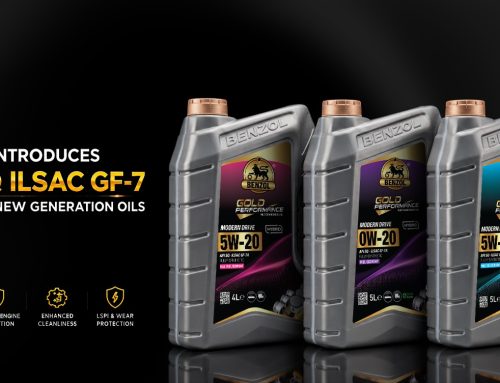
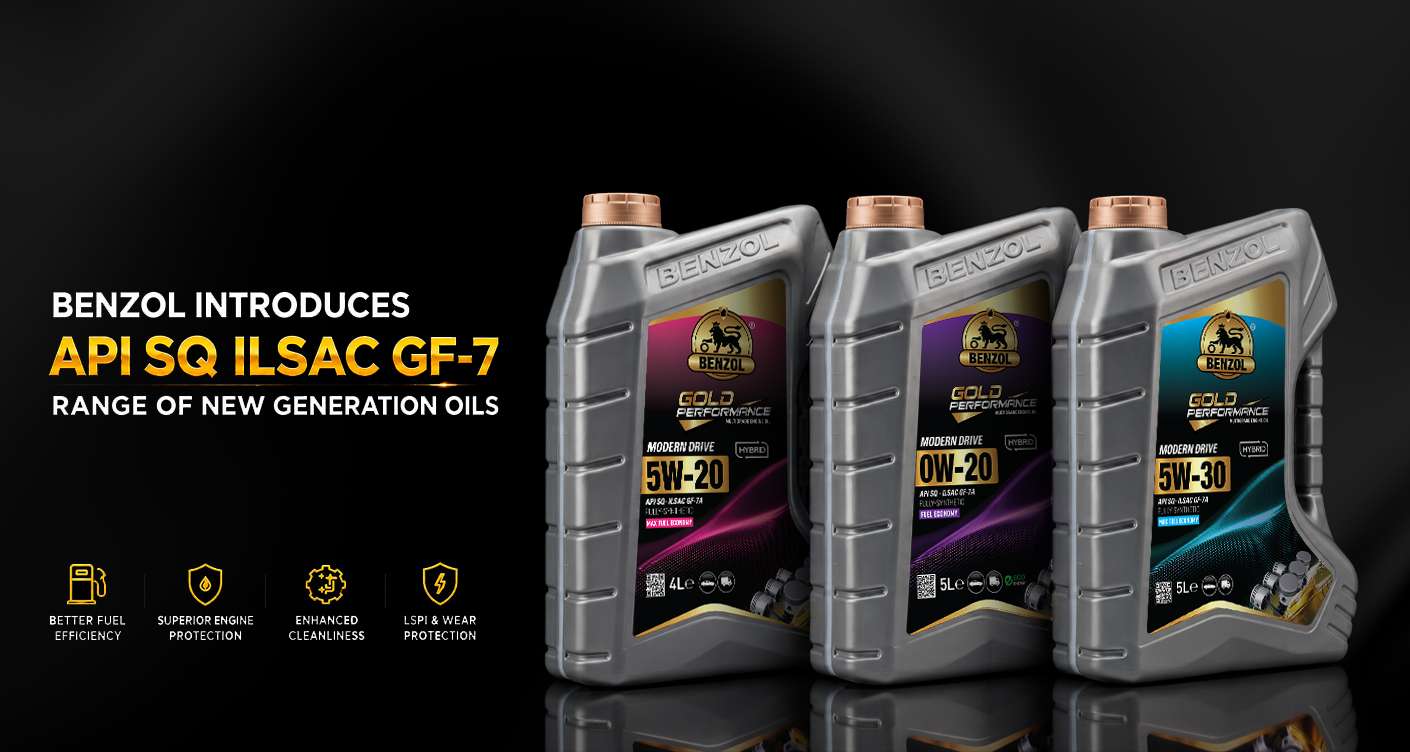
Premium lubricant ranges, such as BENZOL® Modern Drive, are precisely formulated to support modern passenger vehicles by assisting in keeping the engine clean, offering wear protection, thermal stability, and long-term reliability across the recommended service intervals.
Always check your owner’s manual to determine the proper engine oil for your vehicle.
Frequently Asked Questions
Can I wait longer than the suggested oil change interval?
In most cases, you should stick with the maintenance schedule recommended by the vehicle manufacturer. Exceeding the specified interval can cause greater wear and accumulation of deposits.
Does synthetic oil last longer than regular oil?
Fully synthetic oils generally have better resistance to heat, oxidation, and viscosity breakdown, which can support longer service intervals depending on the requirements of the vehicle.
Do I need to change my oil every year?
Most manufacturers recommend at least one oil change per year if the mileage interval specified has not been reached.
How often should I change oil in high-mileage cars?
High-mileage vehicles may require more frequent inspections and maintenance, especially if used in harsh environments.
Conclusion
There’s no one-size-fits-all oil change interval for all cars.
The right schedule depends on your vehicle manufacturer, driving habits, environment of operation, quality of lubricant, and maintenance practices.
By understanding the factors that impact oil life and following recommended service intervals, vehicle owners can maximise engine performance, increase reliability, and decrease long-term operating costs.
Regular oil changes remain one of the easiest and most effective investments in any engine’s health and longevity.