
Introduction
The United Arab Emirates is famous for its challenging driving conditions. During the summer months, ambient temperatures regularly exceed 45°C and the road surface can become considerably hotter still. With heavy traffic, long idling, long highway runs and today’s turbocharged engines these conditions put extraordinary stresses on vehicle lubricants.
Engine oil is much more than a lubricant. It is important for engine components protection, friction reduction, temperature control, deposit control and overall engine efficiency. It must be able to operate in the extreme heat without breaking down or losing its protective properties.
Therefore, selecting the right engine oil is vital for vehicle reliability, fuel efficiency, and long-term engine protection in the UAE’s operating conditions.
In this article, we’ll look at how high temperatures impact engine oil performance and what drivers and fleet operators need to know when selecting the best engine oil for the climate in the UAE.
Why UAE Climate Places Additional Demands on Engine Oils
Modern engines are built to operate efficiently under all kinds of conditions. However, the combination of extreme heat and demanding driving environments in the UAE creates unique challenges for lubricants.
Several factors put increased stresses on the engine oil:
High Ambient Temperatures
If it is hotter than 45 °C outside, the engine cooling system and the lubricants have to work harder to keep the engine at the right operating temperature.
Heavy traffic and long periods of idling
In the city you’ll be in stop and go traffic for long periods of time. Even when a vehicle isn’t moving, the engine is still generating heat that needs to be handled by the cooling system and lubricant.
Long Distance Highway Driving
Long distance high speed driving creates consistent engine loads and high operating temperatures especially in the summer months.
Modern turbo engines
Many modern passenger vehicles are equipped with turbochargers for performance and fuel economy. Turbochargers operate at very high temperatures and add more stresses to engine oils.
More emphasis on engine
Commercial vehicles and SUVs as well as vehicles used for carrying passengers or cargo experience higher mechanical loads that require increased lubricant protection.
These factors make the quality and specification of lubricant all the more important.
What Happens When Engine Oil Is Subjected To Extreme Heat?
Engine oils are designed to withstand high temperatures but extended exposure to excessive heat can accelerate oil breakdown.
Oxidation
At high temperatures, oil reacts with oxygen and oxidation occurs. This can result in oil thickening, deposit formation and loss of lubricant performance.
Viscosity Degradation
If the engine oil loses viscosity at high temperatures, the protective film can break down, leading to more metal-on-metal contact and wear.
Formation of sludge
Heat also promotes sludge and varnish deposits that can restrict oil flow and reduce engine efficiency.
Higher Oil Use
At high temperatures, oil evaporation increases, which can result in increased oil consumption and more frequent top-ups.
Engine Protection Reduced
As the oil ages and degrades, its protective properties against wear, corrosion and deposits deteriorate significantly.
Thus, the selection of a lubricant with high thermal stability is important for UAE operating conditions.
Key Features to Look For in Engine Oil for UAE Conditions
Thermal Stability
Thermal stability is the ability of an oil to retain its performance characteristics at high temperatures.
Good quality engine oils are designed to be resistant to thermal breakdown, this helps to maintain viscosity and protection even in extreme summer conditions.
Oxidation Resistance
Oxidation resistant oils help to cut down sludge formation, varnish deposits and thickening of oil.
This leads to cleaner engines and longer life of lubricants.
Wear protective clothing
Engine oil must form a protective film between moving parts like pistons, camshafts, bearings and timing systems.
Advanced additive technologies reduce wear in normal and severe operating conditions.
Cleanliness of Engine
It is essential to control deposits and contaminants to keep engines clean, and modern lubricants contain detergents and dispersants for that purpose.
Selecting the Right Viscosity Grade
Viscosity is one of the most important factors to consider when choosing engine oil.
The correct viscosity depends on the vehicle manufacturer’s recommendations, the engine design and operating conditions.
SAE 0W-20
Standard recommendation on many new fuel efficient vehicles.
Benefits include:
- Excellent cold-start performance
- Improved fuel economy
- Suitable for many modern gasoline engines
SAE 5W-30
One of the world’s most widely used grades.
Benefits include:
- The maximum balance between protection and efficiency
- Suitable for a wide variety of passenger cars
- Year-round excellent performance
SAE 5W-40
Popular in areas with high temperatures and tough driving conditions.
Benefits include:
- Better high-temperature protection
- Correct wear control
- Suitable for performance orientated applications
SAE 10W-40
Often used in older cars or certain engine designs as specified by the manufacturer.
Benefits include:
- Dependable protection
- Best for certain high-mileage engines
Vehicle owners should always consult their owner’s manual and follow manufacturer recommendations when selecting viscosity grades.
Full Synthetic Engine Oils – Why the UAE Conditions Need Them
Fully synthetic engine oils offer many advantages over traditional mineral-based oils, especially under extreme conditions.
Heat Resistance Improved
Synthetic base oils are designed to withstand higher temperatures without breaking down.
Improved Oxidation Control
Synthetic lubricants are more resistant to oxidation, helping the oil stay in good condition longer.
Improved Engine Cleanliness
Advanced additive systems help to reduce deposit formation for cleaner engine components.
Better Wear Protection
Synthetic oils form better lubrication films that help reduce wear under high-load operating conditions.
Better fuel efficiency
Less friction can also help with fuel economy and make the engine run more smoothly.
Full synthetic engine oils are the choice for many modern vehicles running in the UAE conditions.
Modern Engine Oil Standards Explained
Of course, viscosity grade is not the only consideration when choosing the right engine oil.
Industry performance standards keep lubricants up to the task for today’s engines.
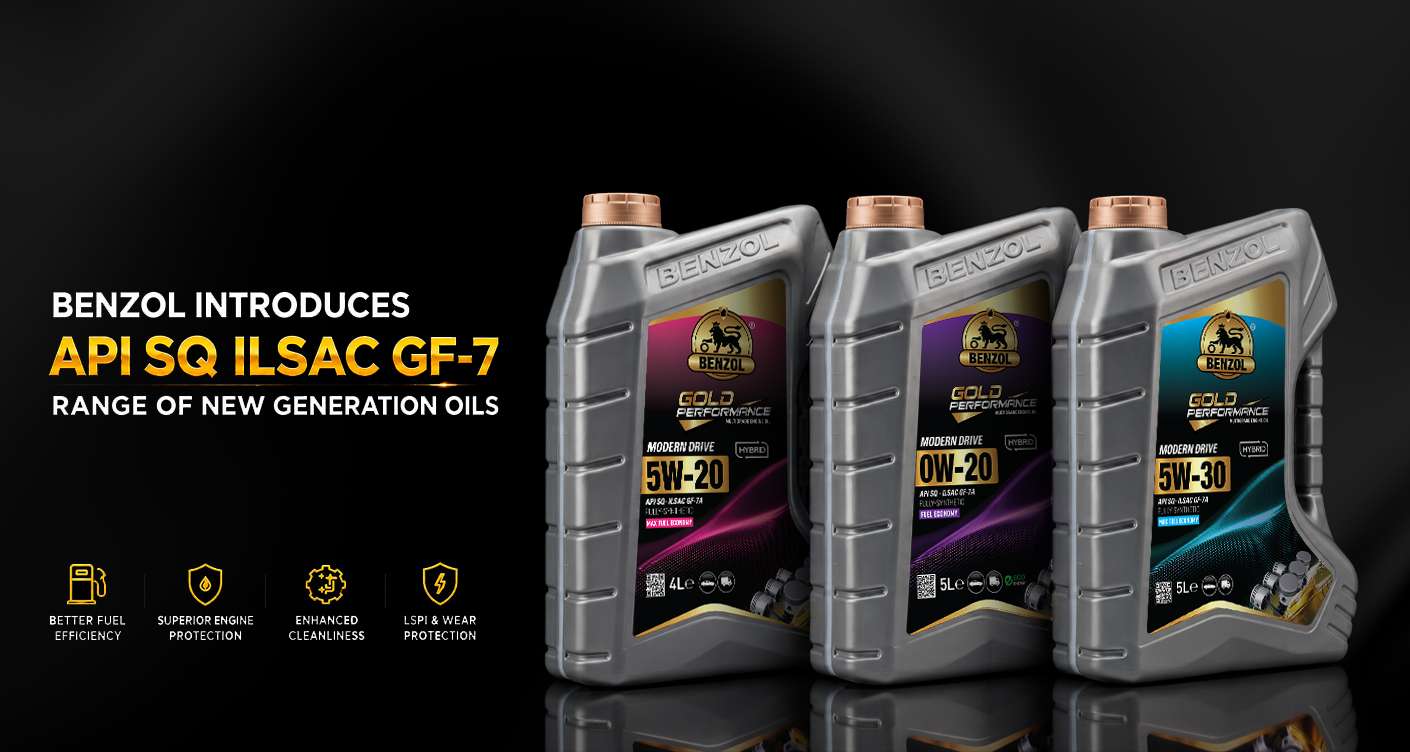
API SQ
API SQ is one of the newest performance categories of petrol engine oils developed to meet the requirements of modern engines.
It provides superior protection against wear, oxidation, deposit formation and low speed pre-ignition common to turbocharged petrol direct injection engines.
ILSAC GF-7
ILSAC GF-7 specs focus on fuel economy, engine cleanliness, durability and protection of the latest emission control systems.
European ACEA Specifications
ACEA specifications are widely used across Europe and define the performance requirements for passenger car and commercial vehicle lubricants.
Choosing oils that meet recognised industry standards guarantees reliable performance and protection.
Engine Oil Practical Tips for Drivers in UAE
To maximise engine protection and oil performance:
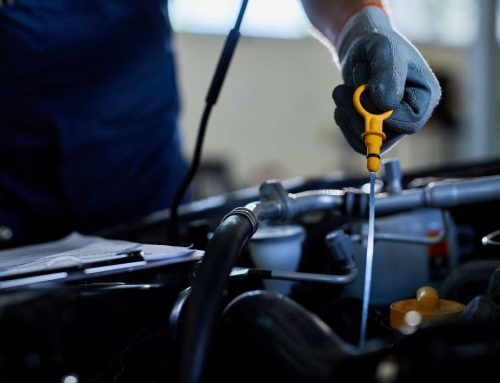
- Regularly check the level of engine oil.
- Follow manufacturer recommended oil change intervals.
- Change oil filters at each oil service.
- Use the recommended viscosity grade according to the vehicle manufacturer.
- Select engine oils that conform to established industry standards.
- Repair oil leaks promptly.
- Keep an eye on those engine warning lights and maintenance intervals.
One of the best ways to extend engine life and keep your vehicle running reliably is regular maintenance.
Conclusion
The UAE’s harsh climate could pose unique challenges to engines and lubricants. In addition to these, high ambient temperatures, heavy traffic, long distance driving and modern engine technologies put additional demands on engine oil performance.
Using a good quality engine oil with good thermal stability, oxidation resistance, wear protection and modern performance can help to protect engines in hard operating conditions.
Whether it’s a passenger car, SUV, commercial vehicle or fleet, choosing the right lubricant is still one of the most important investments in long-term engine reliability, efficiency and performance.
Vehicle technology is changing and today’s full synthetic lubricants meeting the latest industry standards offer the advanced protection needed to keep engines running at peak performance all year long.