
Introduction
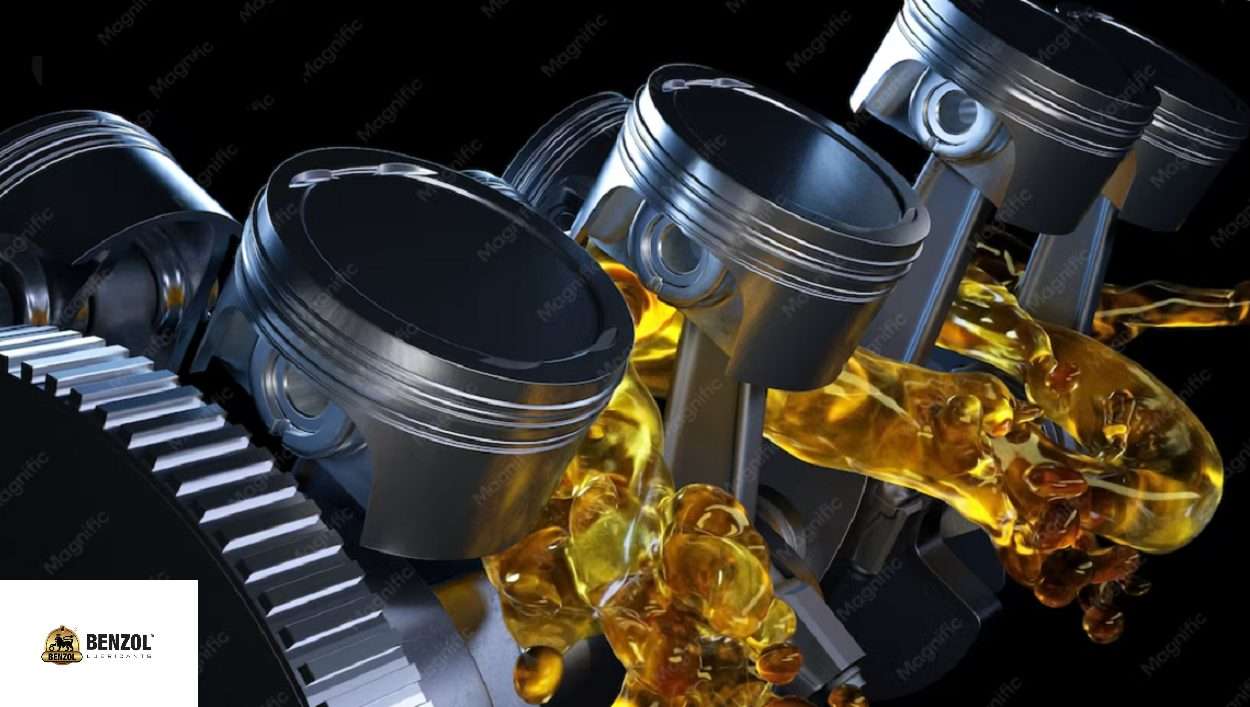
Every internal combustion engine is built around hundreds of moving parts operating under extreme pressure, heat and speed. Pistons travel thousands of times every minute, crankshafts rotate continuously and valve train components work with microscopic clearances. Without effective lubrication these metal surfaces would quickly generate excessive friction, heat and wear.
Engine wear cannot be eliminated completely, but it can be dramatically reduced. The quality of the lubricant, its viscosity, additive chemistry and the way the vehicle is maintained all play a major role in determining how long an engine remains reliable. Whether you own a passenger car, a commercial truck or industrial equipment, understanding how wear occurs is essential for making informed maintenance decisions.
What Is Engine Wear?
Engine wear is the gradual removal or deformation of material from engine components caused by friction, contamination, corrosion and thermal stress. While small amounts of wear are expected over the lifespan of an engine, excessive wear accelerates performance loss, increases fuel consumption and can eventually lead to expensive mechanical failures.
Components most affected include piston rings, cylinder liners, bearings, camshafts, crankshafts, timing chains, valve train assemblies and turbochargers. Modern engines use tighter tolerances and higher operating temperatures than older designs, making lubricant quality more important than ever.
The Primary Causes of Engine Wear
1. Metal-to-metal contact
The most damaging form of wear occurs when the protective oil film breaks down and metal surfaces directly contact each other. This generates scuffing, abrasion and rapid material loss.
2. Incorrect viscosity
Oil that is too thick may not circulate quickly during cold starts, while oil that is too thin may fail to maintain an adequate lubricating film under heavy loads.
3. Contamination
Dust, soot, water, coolant and fuel dilution reduce lubricant performance and introduce abrasive particles that scratch component surfaces.
4. Oxidation and sludge
High temperatures gradually oxidize engine oil. If oxidation is uncontrolled, sludge and varnish restrict oil flow and increase wear.
5. Poor maintenance
Delayed oil and filter changes allow contaminants to accumulate, reducing lubrication efficiency and accelerating component deterioration.
6. Severe operating conditions
Frequent stop-start driving, towing, off-road operation and extended idling expose lubricants to higher thermal and mechanical stress.
The Science of Lubrication
Lubrication works by separating moving surfaces with a thin but extremely strong oil film. Under ideal hydrodynamic lubrication, components are completely separated by the lubricant. During start-up and high-load conditions, boundary lubrication occurs where specialised anti-wear additives form sacrificial protective layers on metal surfaces. Mixed lubrication exists between these two regimes.
Premium lubricants are engineered to maintain this protective film across a wide temperature range. Stable viscosity, oxidation resistance and carefully balanced additive technology allow the lubricant to continue protecting critical components even under demanding operating conditions.
Why Modern Additives Matter
Engine oil is far more than refined base oil. Modern formulations contain advanced additive packages that provide detergency, dispersancy, anti-wear protection, corrosion inhibition, oxidation resistance, anti-foam performance and viscosity stability.
Detergents help keep engine surfaces clean. Dispersants suspend contaminants until the next oil change. Anti-wear additives protect heavily loaded parts such as cam lobes and timing chains. Antioxidants slow chemical degradation while friction modifiers improve efficiency. Together these technologies help engines remain cleaner, quieter and more durable.
Choosing the Correct Lubricant
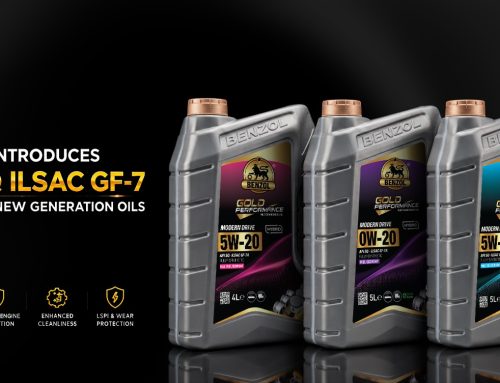
Always select a lubricant that meets the viscosity and performance specifications recommended by the vehicle manufacturer. Standards such as API SQ, ILSAC GF-7 and the latest ACEA categories are designed to meet the needs of modern engines, including turbocharged gasoline direct injection engines, hybrid powertrains and advanced emission control systems.
Choosing the correct specification is often more important than simply choosing a well-known brand. The right lubricant should deliver excellent low-temperature flow, high-temperature stability, deposit control and wear protection throughout the recommended service interval.
Warning Signs of Excessive Engine Wear
| Symptom | Possible Cause | Recommended Action |
| Increased oil consumption | Ring or cylinder wear | Inspect engine and verify oil specification |
| Knocking or ticking | Bearing or valve train wear | Check oil level and lubrication system |
| Lower fuel economy | Higher internal friction | Use correct viscosity and service engine |
| Blue exhaust smoke | Oil entering combustion chamber | Professional diagnosis |
| Metal particles in oil | Abnormal wear | Oil analysis and inspection |
Best Practices to Extend Engine Life
- Use the manufacturer-recommended viscosity and specification.
• Replace engine oil and filters at the correct interval.
• Check oil levels regularly.
• Avoid prolonged overheating.
• Replace air filters to minimise dust contamination.
• Address coolant leaks immediately.
• Allow sensible warm-up before heavy acceleration.
• Choose premium lubricants formulated with high-quality base oils and additive technology.
Frequently Asked Questions
- Does thicker oil protect better?
A. No. The correct viscosity provides the intended balance between flow and film strength. - Is synthetic oil worth it?
A. For most modern engines, synthetic oils offer superior oxidation stability, cold-start performance and high-temperature protection. - Can incorrect oil damage an engine?
A. Yes. Using the wrong viscosity or specification may increase wear and reduce efficiency. - How often should engine oil be changed?
A. Follow the vehicle manufacturer’s recommended service interval, adjusting for severe operating conditions where necessary. - Why is clean oil important?
A. Clean oil maintains an effective lubricating film and carries contaminants to the filter, reducing abrasive wear.
Conclusion
Engine wear is influenced by far more than mileage alone. Heat, friction, contamination, operating conditions and maintenance practices all affect the long-term durability of an engine. The most effective defence is a high-quality lubricant matched to the manufacturer’s recommended viscosity and performance specification.
Premium engine oils help maintain a strong protective oil film, minimise friction, resist oxidation, control deposits and protect vital components throughout the service interval. Combined with regular maintenance and proper operating practices, the right lubricant is one of the most cost-effective investments you can make in extending engine life and preserving reliable performance.